
GOKARNA SAMSTHAN
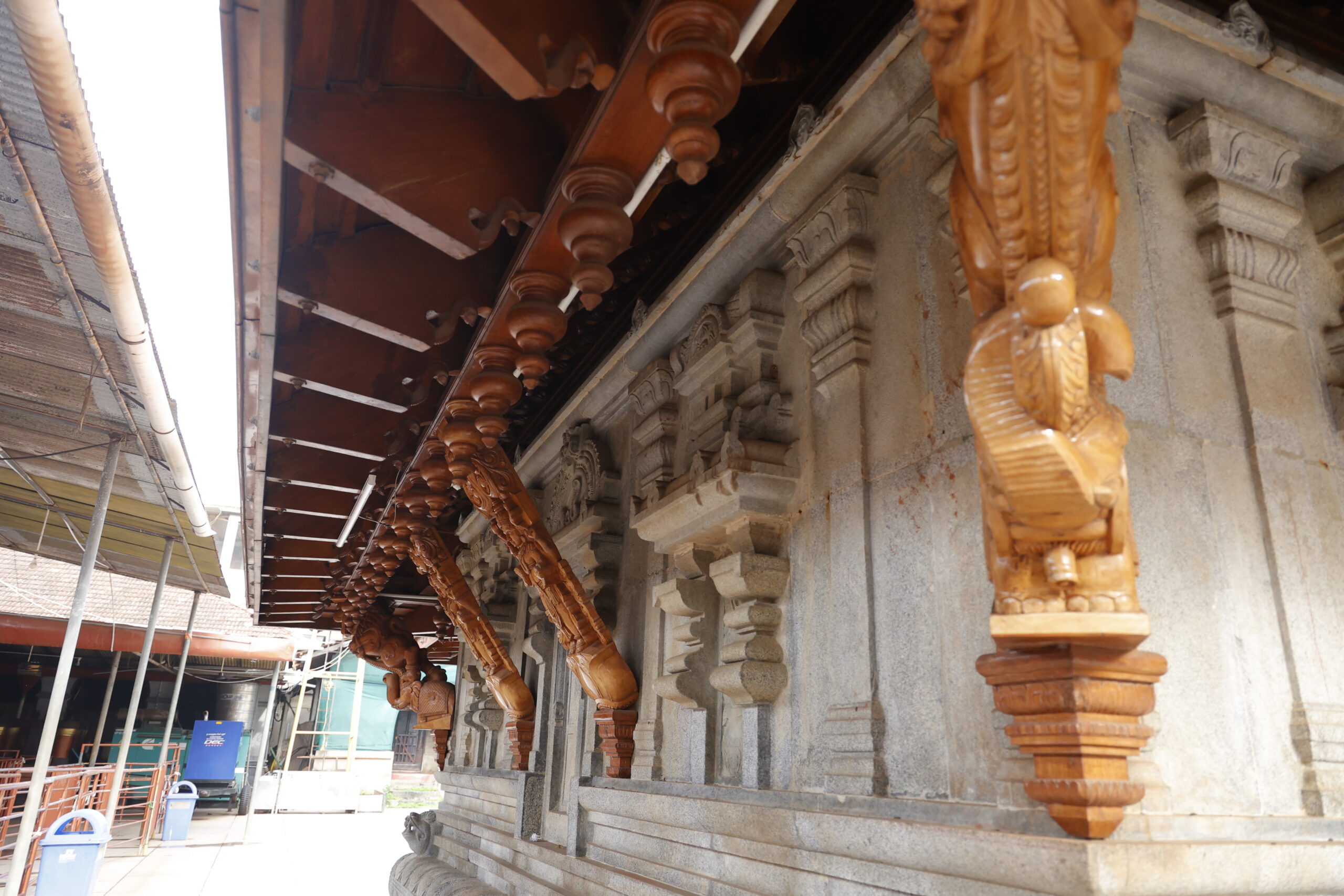
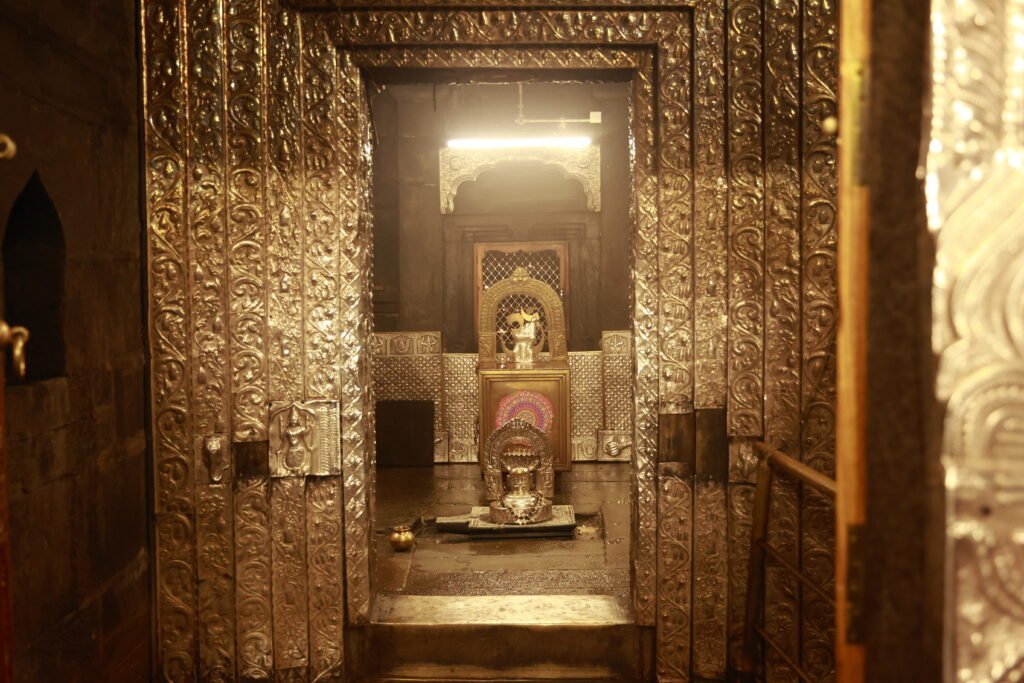
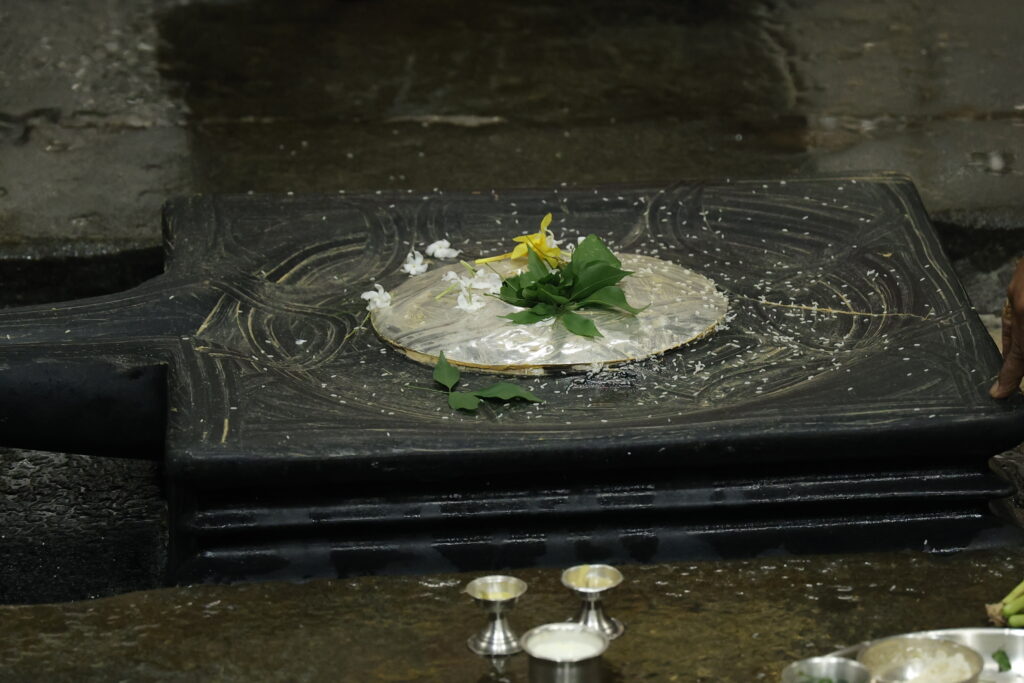
Sri Mahabaleshwar Temple in Gokarna is one of the most revered temples dedicated to Lord Shiva. For centuries, it has been a place of worship, devotion, and pilgrimage, attracting devotees from different parts of India.
While the exact date of the temple’s origin is not known, its long history is preserved through ancient stone inscriptions, historical records, temple writings, and the famous Gokarna Copper-Plate Grant. These records show that the temple has been supported and protected by rulers, scholars, priests, and devotees across many generations.
The exact time when Sri Mahabaleshwar Temple was first built is not known. However, several historical sources confirm that Gokarna has been an important centre of Lord Shiva worship for many centuries.
The Karnataka Gazetteers, ancient stone inscriptions, temple records, and archaeological studies provide valuable information about the temple’s past. These records show how different rulers and devotees helped preserve the temple, supported its daily worship, and maintained its traditions through the centuries.
The temple’s history is therefore not based on a single document, but on many historical records that together tell the story of this sacred kshetra.
Ancient inscriptions found in and around the temple provide important information about its history.
One of the best-known inscriptions is found above the western entrance of the Nandi Mantapa. It records that the Ranga Mantapa was completed under the supervision of Halasunadu Vishveshvarayya, an administrator who oversaw the work during the bright fortnight of Kartika in the Sharvari year. Although the inscription does not mention the exact year, it confirms that this part of the temple was built many centuries ago.
Historical records also mention that many devotees and local rulers donated land to support temple worship. These donations helped ensure that the daily rituals and religious traditions continued without interruption.
According to historical records, King Mayuravarma played an important role in the early development of Gokarna as a sacred centre of worship.
During a pilgrimage to Gokarna, he found that the region had very few Brahmin settlements to perform regular temple rituals. Wishing to strengthen religious life, he travelled to Ahichhatra in South Panchala and invited learned Brahmins to settle in Gokarna.
The king granted them land so they could establish their homes and continue the worship of Lord Mahabaleshwar. Their arrival helped organise regular temple worship and preserve the sacred traditions of the temple.
For many years, these Brahmin families carried out daily rituals. Later, due to difficult conditions in the region, many of them returned to their homeland, affecting the continuation of temple worship.
After King Mayuravarma, his son Trinetra Kadamba continued to support the sacred kshetra of Gokarna.
When he visited Gokarna, he learned that many Brahmin families had left the region. Working together with the local ruler Chandasena, he took steps to restore the religious life of the temple.
Historical records state that Trinetra Kadamba invited the Brahmins to return and helped re-establish regular temple worship. These efforts ensured that the sacred traditions of Sri Mahabaleshwar Temple continued for future generations.
The records also mention that Trinetra Kadamba strengthened his relationship with Chandasena through a family alliance, helping create a stable environment for the continued growth of the sacred kshetra.
Even after these efforts, the temple faced further challenges, and many Brahmin families once again left the region.
Later, Lokaditya, the son of Chandasena, worked to restore these settlements. He travelled to Ahichhatra and invited twenty-four Brahmin families belonging to seven gotras to return to Gokarna. Among them, eight families from four gotras were settled in Gokarna itself.
Land was granted to these families so they could continue the worship of Lord Mahabaleshwar and maintain the temple’s traditions. According to the historical records, special efforts were also made to encourage these families to remain permanently in Gokarna, ensuring that the temple’s customs and rituals would continue for generations.
Sri Mahabaleshwar Temple continued to receive support during the Vijayanagara Empire, one of South India’s greatest kingdoms.
During this period, Madhavacharya, who later became the revered saint Vidyaranya, issued the famous Gokarna Copper-Plate Grant in Shaka 1313. This grant provided land and rights to the Brahmin families serving the temple and helped ensure that daily worship and religious duties continued without interruption.
This copper-plate grant remains one of the most important historical records connected with Sri Mahabaleshwar Temple
The Gokarna Copper-Plate Grant is a valuable historical document that records the support given to Sri Mahabaleshwar Temple during the Vijayanagara period.
Along with granting land and rights, it also preserves traditions about the early development of Gokarna as a sacred place of worship. The inscription describes how earlier rulers helped establish temple worship, supported Brahmin families, and assigned responsibilities for carrying out the temple’s daily rituals.
Today, this copper-plate grant continues to be an important source for understanding the temple’s history and the traditions that have been followed for centuries.
After the Vijayanagara period, Gokarna came under the rule of the Keladi (Ikkeri) Kingdom.
Historical records mention that rulers such as Queen Chennammaji and King Somashekhara Nayaka continued to support Sri Mahabaleshwar Temple. During their rule, temple worship, land grants, and religious traditions continued with royal support.
Temple records also show that local Brahmins approached these rulers whenever support was needed for the temple’s daily rituals and religious services. Their contributions helped preserve the temple’s sacred traditions.
Throughout its history, Sri Mahabaleshwar Temple has been cared for by rulers, priests, scholars, and countless devotees.
Stone inscriptions, temple records, and historical documents show that many people contributed by donating land, supporting temple activities, and helping maintain regular worship. Their dedication ensured that the temple remained a place of faith and devotion through changing times.
Because of these efforts, many of the customs and traditions followed centuries ago continue to be observed even today.
Sri Mahabaleshwar Temple is not only an important place of worship but also a valuable part of Karnataka’s spiritual and cultural heritage.
Its history is preserved through ancient inscriptions, historical records, and the Gokarna Copper-Plate Grant, which together reflect the temple’s long-standing importance. These records show how different rulers and devotees worked together to protect the temple, support its daily worship, and preserve its traditions for future generations.
Today, Samsthan Shri Mahabaleshwar Dev, Gokarna continues this legacy by maintaining the temple, preserving its sacred customs, and serving devotees with devotion and dedication.
Gokarna became a sacred place dedicated to the worship of Lord Shiva.
Invited Brahmin families from Ahichhatra and helped establish regular temple worship.
Helped restore Brahmin settlements and strengthen temple traditions.
Re-established Brahmin families in Gokarna and supported the continuation of temple worship.
Madhavacharya issued the Gokarna Copper-Plate Grant to support temple worship and administration.
Queen Chennammaji and King Somashekhara Nayaka continued royal support for the temple and its traditions.
Samsthan Shri Mahabaleshwar Dev continues to preserve the temple's sacred traditions and serve devotees.
For centuries, Sri Mahabaleshwar Temple has remained a symbol of faith, devotion, and spiritual strength. Through the support of kings, scholars, priests, and countless devotees, the temple has preserved its sacred traditions and continues to inspire pilgrims from across the country.
Today, the temple stands as one of the most revered Shiva kshetras in India, welcoming devotees who come to seek the blessings of Lord Mahabaleshwar and experience the timeless spiritual heritage of Gokarna.
॥ ॐ नमः शिवाय ॥